 Technique
Mastering Low-Temp Baking
How reduced heat preserves cocoa aromatics and crumb elasticity.
A seasonal study of dark chocolate, restraint, and emotional density — where baking becomes a discipline rather than decoration.
The modern dessert has become loud. Layers shout. Garnishes interrupt. Sweetness is used to correct what was never meant to be neutralized. At ChocoCakeMake, we believe bitterness deserves respect.
This issue is not about trends. It is about returning to discipline — to the quiet understanding of structure, temperature, and restraint. Baking, at its best, is an act of patience.
— Editorial Director, ChocoCakeMake
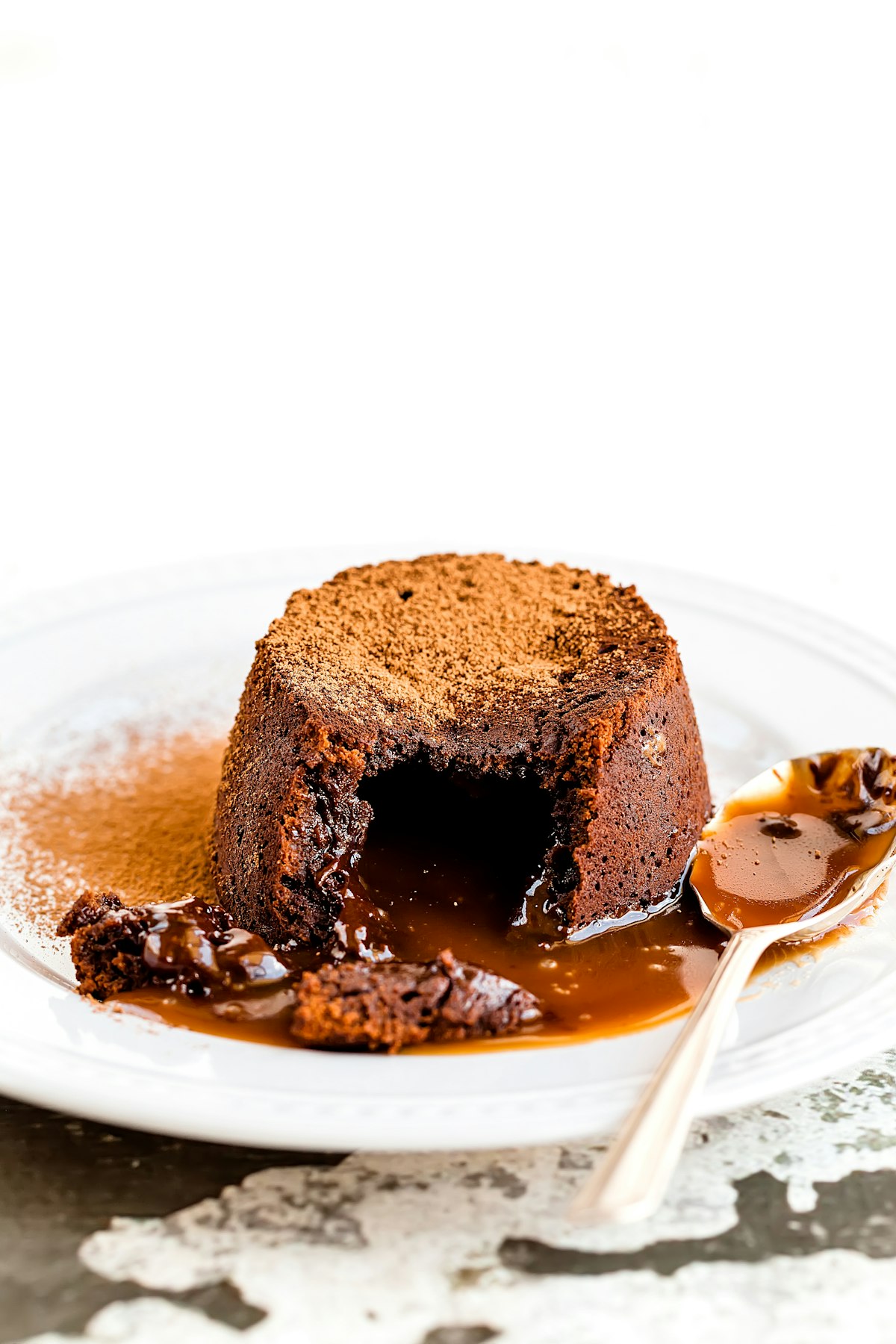
An exploration of cocoa above 72%, where sweetness recedes and emotional texture takes its place. We examine five recipes that refuse compromise and reward patience.
“Sweetness ends the conversation. Bitterness invites it.”
— Studio Manifesto
Technique
How reduced heat preserves cocoa aromatics and crumb elasticity.
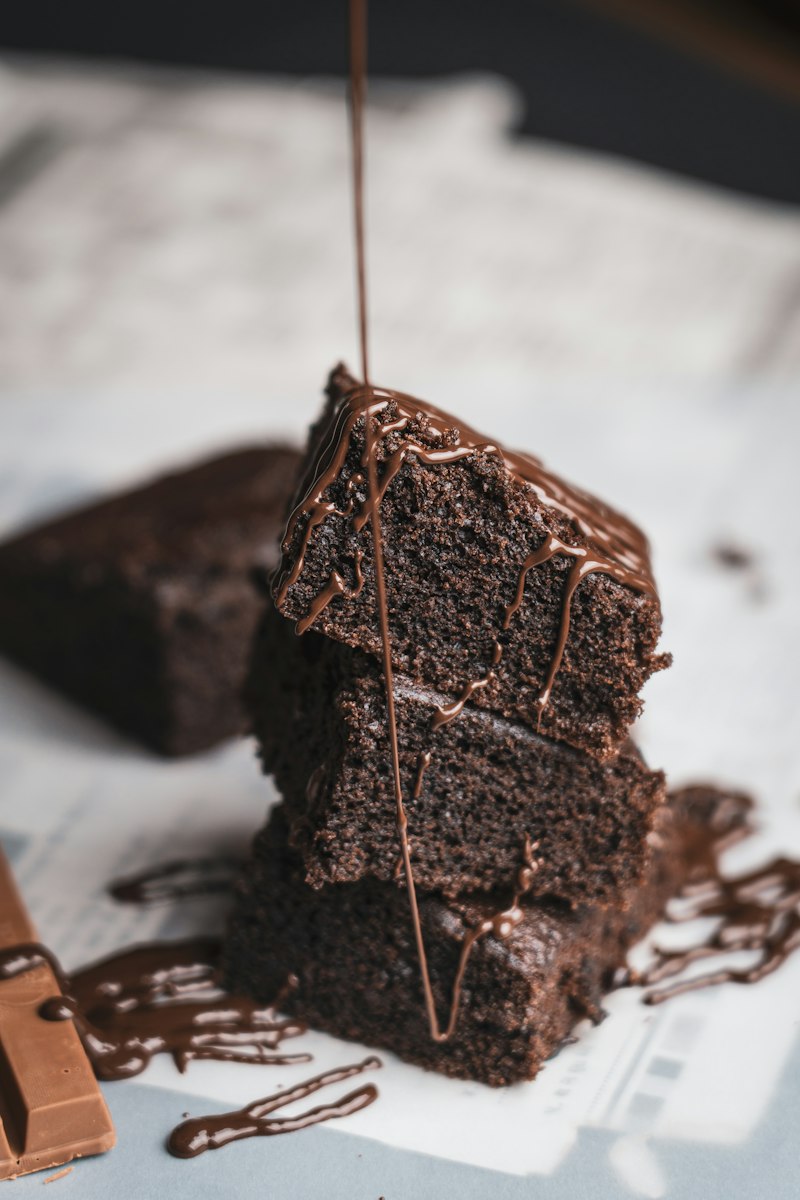 Ingredient
What terroir means when the ingredient melts at 34°C.
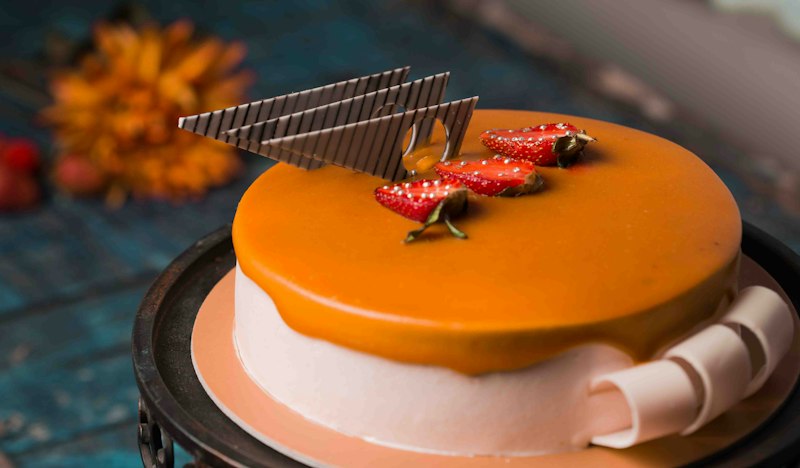 Philosophy
When sweetness becomes excess, and restraint becomes elegance.
Recipes are tested for weeks. Not optimized for speed, but for repeatable calm.
Cocoa, butter, flour. Nothing decorative. Nothing hidden.
Each formula is written to be understood, not memorized.
This journal was not designed for scrolling. It was designed for returning.
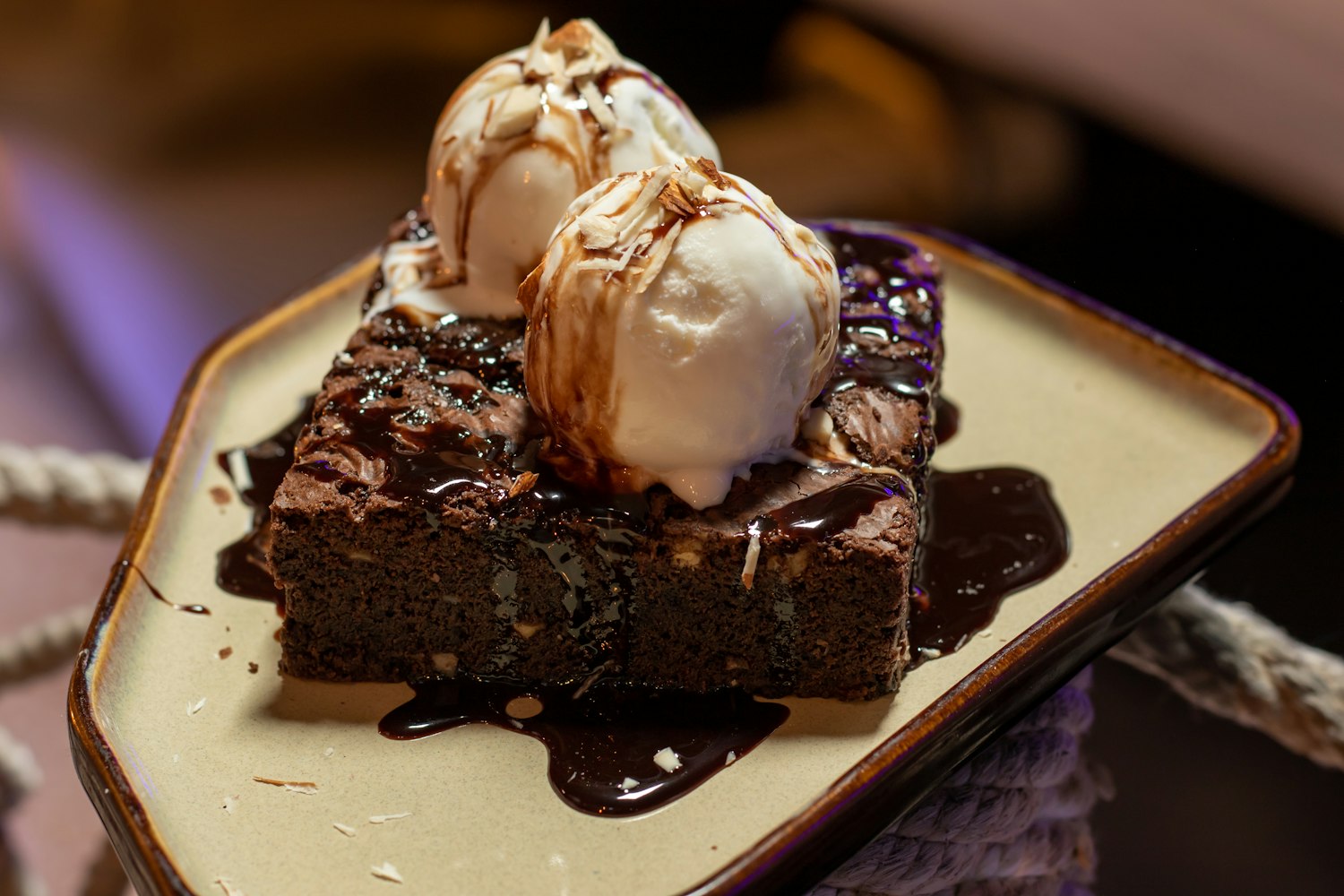
Butter brings the soul, but oil brings the longevity. In our research, we've found that a hybrid approach—emulsifying high-fat European butter with cold-pressed neutral oils—creates a crumb that remains tender for days, even when refrigerated.
The fluidity of your batter determines the tightness of the bubble structure. A thin batter yields a fudge-like density, while a thick, aerated batter results in a cloud-like chiffon. We prefer the middle ground: a batter that flows like heavy cream.

Decoration should never be a mask. If the cake is honest, the finish should be transparent. We utilize only three elements: tempered ganache, a dusting of raw Peruvian cocoa, and salt flakes harvested from the Mediterranean.
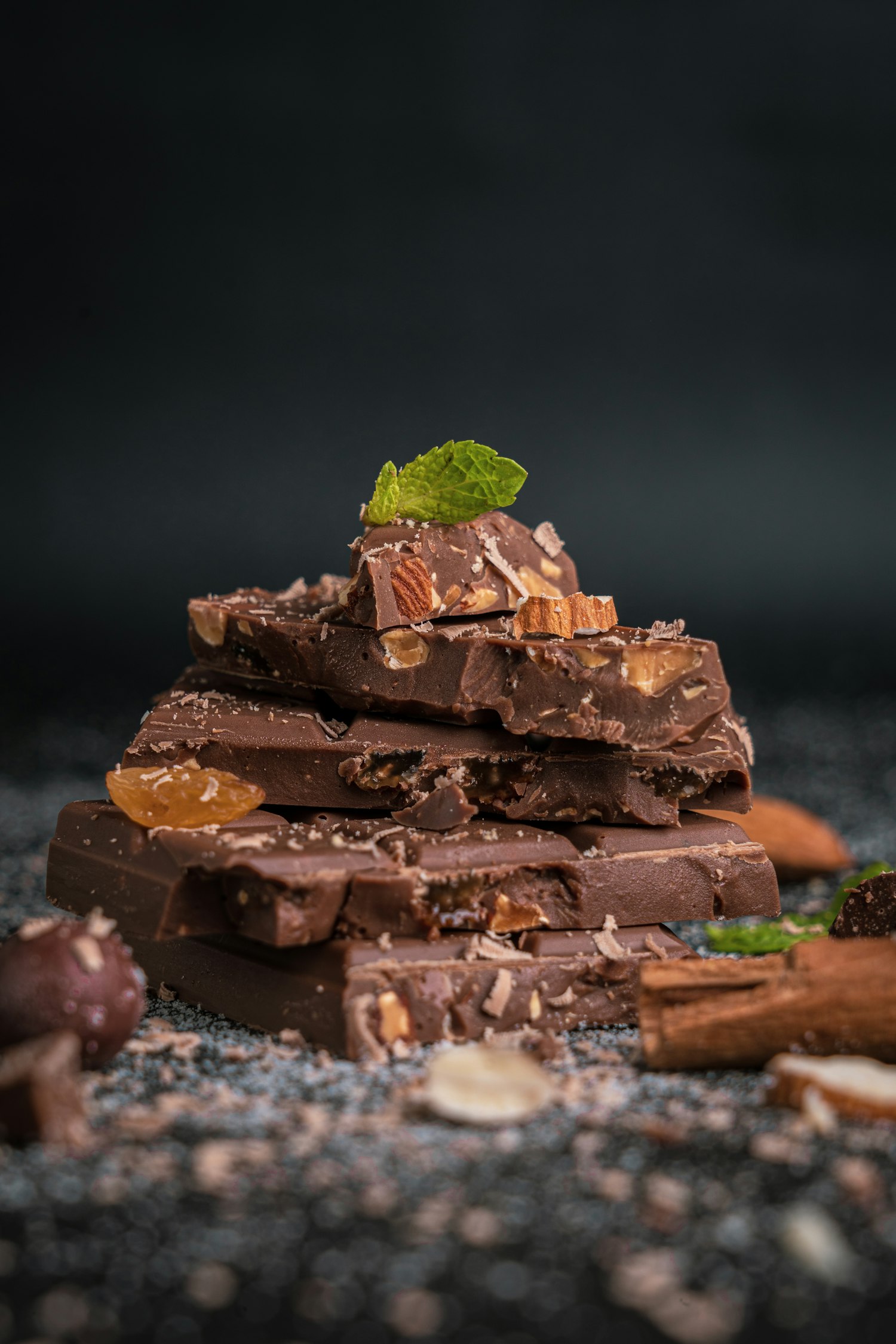
Chocolate flavor is not born in the oven — it begins days earlier, inside wooden boxes stacked beneath tropical canopies. Fermentation is controlled decay, and decay is where bitterness learns restraint.
During fermentation, sugars are consumed, acids form, and the bean’s interior temperature rises. This silent heat determines whether cocoa will express fruit, smoke, bitterness, or silence.
In baking, we echo this philosophy. Resting batter overnight allows starches to hydrate fully, fats to stabilize, and bitterness to soften. Time is the invisible ingredient most often ignored.
Sugar is misunderstood. It is blamed for indulgence and excess, yet in disciplined baking it becomes architecture.
Granulated sugar introduces air during creaming. Brown sugars contribute moisture and acidity. Liquid sugars preserve softness. Each form alters how chocolate behaves under heat.

The oven is not aggressive — it is revealing. Heat exposes imbalance. Too fast, and bitterness sharpens. Too slow, and density collapses.
We bake chocolate cakes at lower temperatures for longer durations, allowing fats to melt gently and proteins to set without shock.
Cooling is a continuation of baking. Carryover heat finalizes structure. Cutting early fractures the crumb and releases volatile aromas before they stabilize.
Rest is not inactivity. It is chemical resolution.
A chocolate cake should not shout. It should sit with weight and calm. It should taste of bitterness refined, sweetness earned, and structure respected. When finished, it becomes less of a dessert and more of a quiet artifact — meant to be shared slowly, cut carefully, and remembered longer than it lasted.
Artifacts for the Discerning Baker
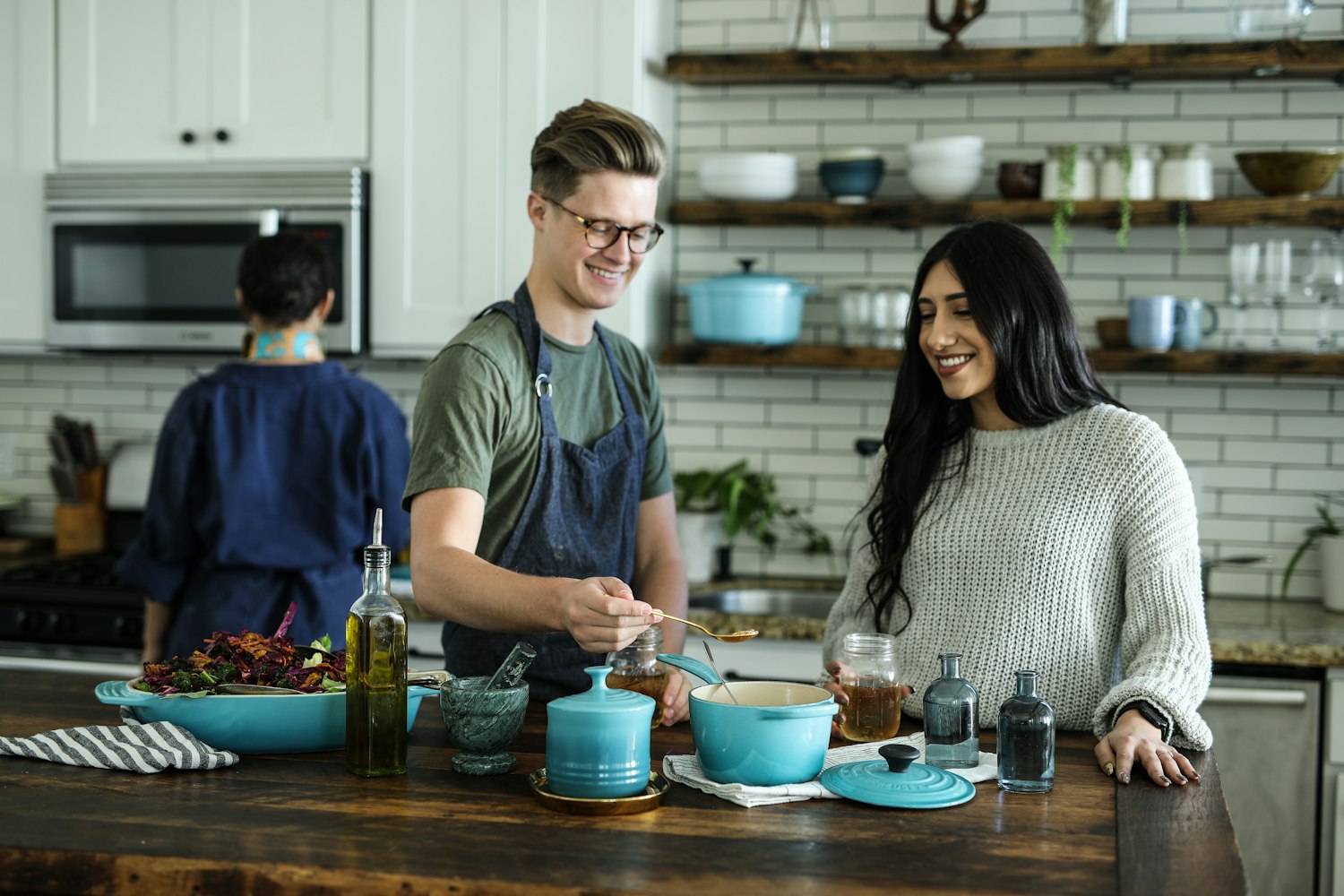
Established in 2022, ChocoCakeMake began as a private photography project in a small kitchen overlooking Lake Geneva. What started as an obsession with the reflection of light on ganache evolved into a global community of minimalist bakers.
We do not believe in mass production. Every recipe we publish and every tool we curate has undergone months of sensory testing. We prioritize the tactile experience—the weight of a bowl, the sound of a whisk, the scent of blooming cocoa.
A single counter. North-facing light. No brand intent. Only a camera, a cake pan, and the repetition of failure. This period defined our intolerance for shortcuts.
Recipes turned into systems. Ratios replaced instructions. Silence replaced commentary. We removed decoration and let structure speak.
ChocoCakeMake became a reference point, not a trend. A place where restraint is documented and taste is treated as a cultural artifact.
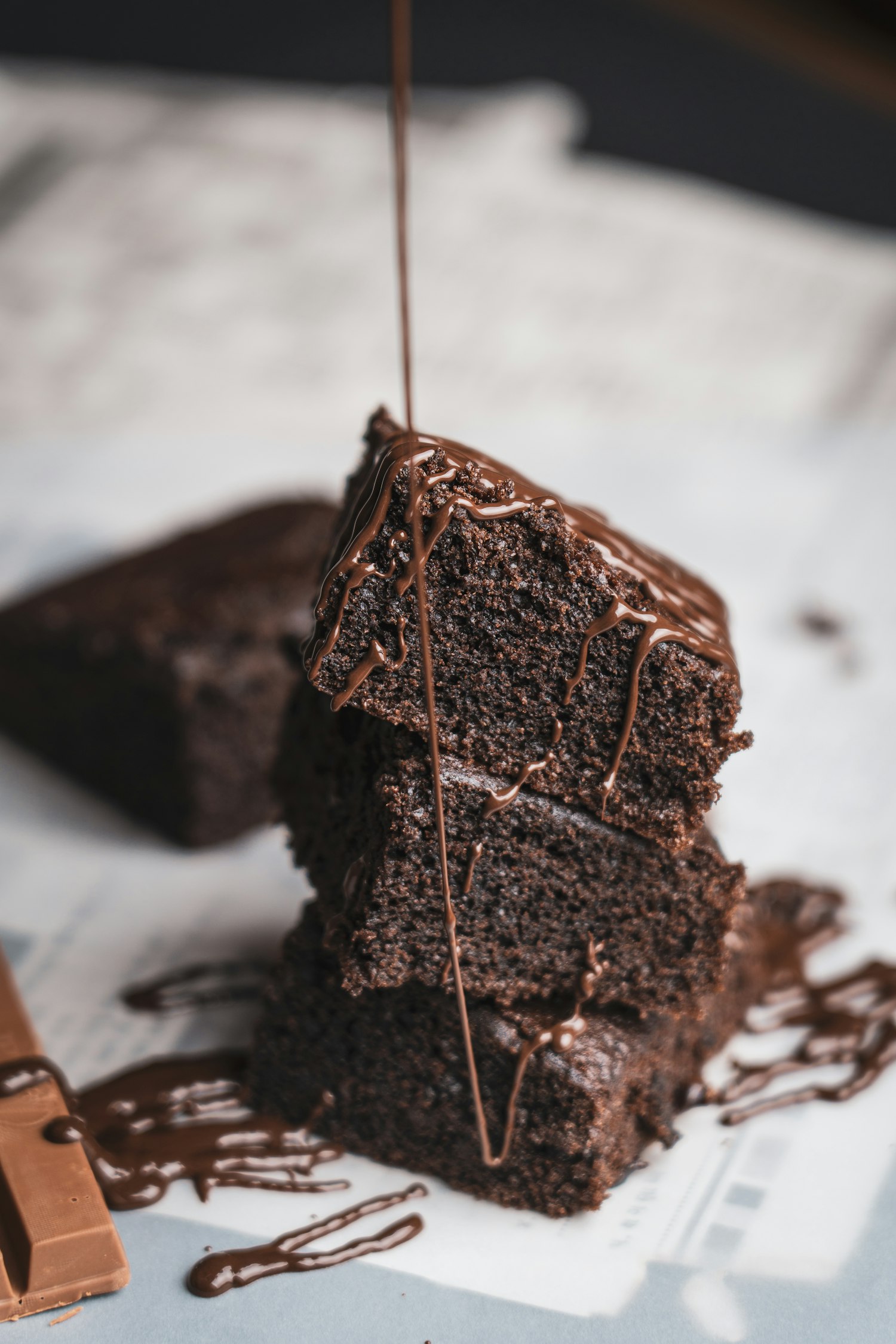
Every recipe begins with constraint. A fixed cocoa percentage. A defined hydration window. A limited tool set. Creativity only emerges after restriction.
We bake the same formula dozens of times, altering a single variable per batch. Temperature by one degree. Sugar by two grams. Fat source by texture, not brand.
When the result becomes predictable, it is finally ready to be published.
We design for resistance, weight, and grain. Your hands must understand before your mind.
The whisk should hum. The knife should whisper. Noise is feedback.
Baked cocoa reaches its peak five minutes after the oven. We build around that moment.
ChocoCakeMake operates with fewer than ten contributors worldwide. Bakers, photographers, ceramicists, and editors—each selected for restraint rather than volume.
No outsourced content. No stock recipes. Every hand that touches the work leaves a trace, and that trace is preserved.
This studio exists for those willing to slow down, bake fewer cakes, and remember them longer.
Member Access Only
Join the Studio Community